History of the museum
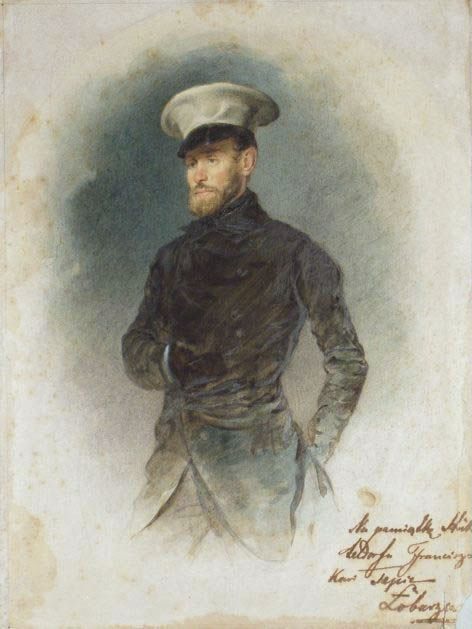
1852/53 – On the basis of the mineralogical collections of the Cabinet of Natural History of Lviv University, the Mineralogical Museum was founded. There is evidence of the existence of mineralogical collections dating back to the times of the Jesuit Academy, on the basis of which Lviv University was established. The organizer of the museum was Professor, Doctor of Botany Hyacinth Lobazhevskyi.
1864 – The Department of Mineralogy was opened. Its first head and director of the museum was Professor Ferdinand Zirkel, the founder of the microscopic method in mineralogy and petrography, and the author of the renowned book Lehrbuch der Petrographie, published in 1866 in Bonn. With the assistance of Professor of Zoology G. Schmidt and Professor H. S. Weiss, who replaced H. Lobazhevskyi, he secured funding for the development of the museum and the acquisition of an additional collection of 2,800 specimens.
1868 – Count Stanisław Dunin-Borkowski (a student of A. Werner at the Freiberg Mining Academy) donated a collection of minerals to the Mineralogical Museum. These were mainly mineral specimens (amber, sulfur, copper, jade, Bavarian tantalite, alunite, sodalite, and others) that he studied in his own laboratory in Vynnyky near Lviv.
1868–1870 – After F. Zirkel moved to Kiel, the museum and the department were headed by Hermann Schmidt.
1870–1887 – The Mineralogical Museum was headed by Professor Felix Kreutz, who significantly expanded the petrographic section of the museum. At that time, the museum also contained paleontological specimens.
1887–1899 – The Department of Mineralogy and the Mineralogical Museum were headed by Professor Julian Medwetskyi, known for his works on the mineralogy of the Carpathians and the Pre-Carpathian region, as well as the surroundings of Lviv.
1899–1925 – The Department of Mineralogy and the museum were headed by Professor Emil Dunykovskyi. During this period, the museum comprised 31 display cases: 14 of them exhibited igneous and local sedimentary rocks (exclusively the collections of Prof. F. Zirkel), and 17 contained mineral collections.
1892 – The Mineralogical Museum was transferred to a newly constructed building for the chemical, geological, and physical departments on Długosza Street, 6–8 (now Kyryla and Methodii Street), and in 1905, in connection with the establishment of the Department of Geology, the paleontological collection was separated from it and became the basis of the Geological Museum.
1925 – The Mineralogical Museum was again transferred to the old building on St. Mykolaia Street, 4 (now Hrushevskyi Street), and together with the department it was headed concurrently by Prof. Zygmunt Weiberg, whose name is associated with the establishment (1922) of the Department of Crystallography (the second in the world).
1933–1939 – The Department of Mineralogy and the museum were headed by Professor Julian Tokarskyi, known for his works on the mineralogy and petrography of the western regions of Ukraine, and from 1939 to 1944 by his students Stefan Biskupskyi and Kazimierz Smulikowski (a renowned researcher of the mineralogy and petrography of the northwestern part of the Ukrainian Shield and the Carpathians, and in the postwar years an академician of the Polish Academy of Sciences). No significant changes in the development of the museum occurred during this period.
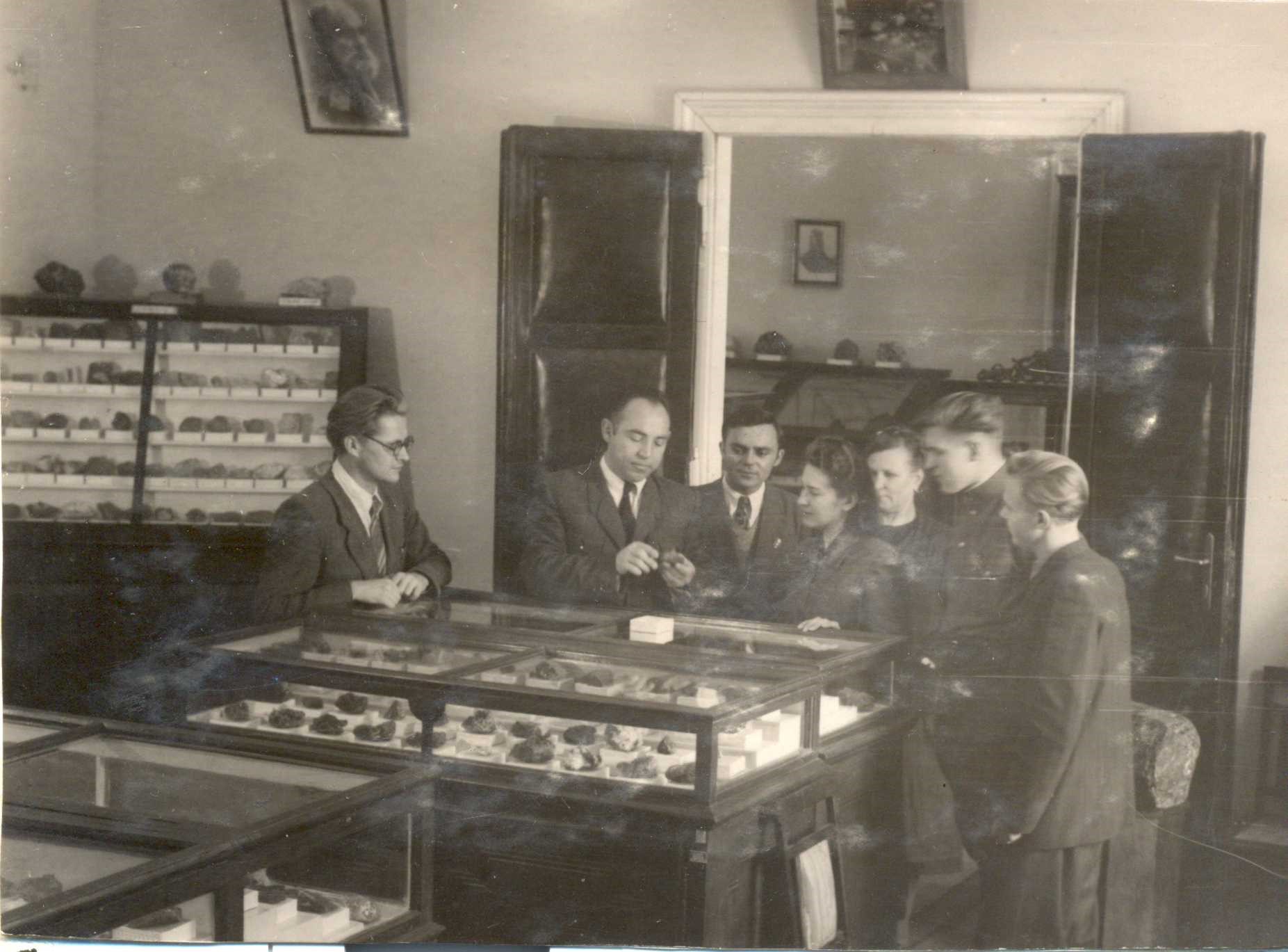
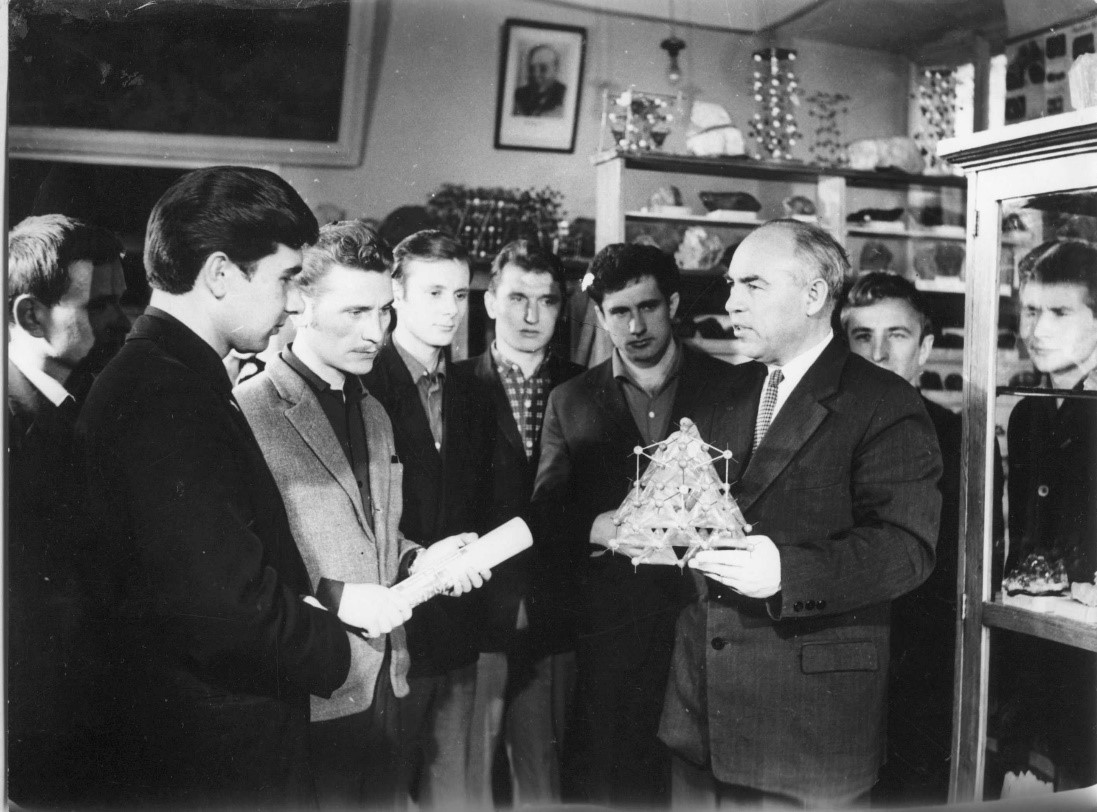
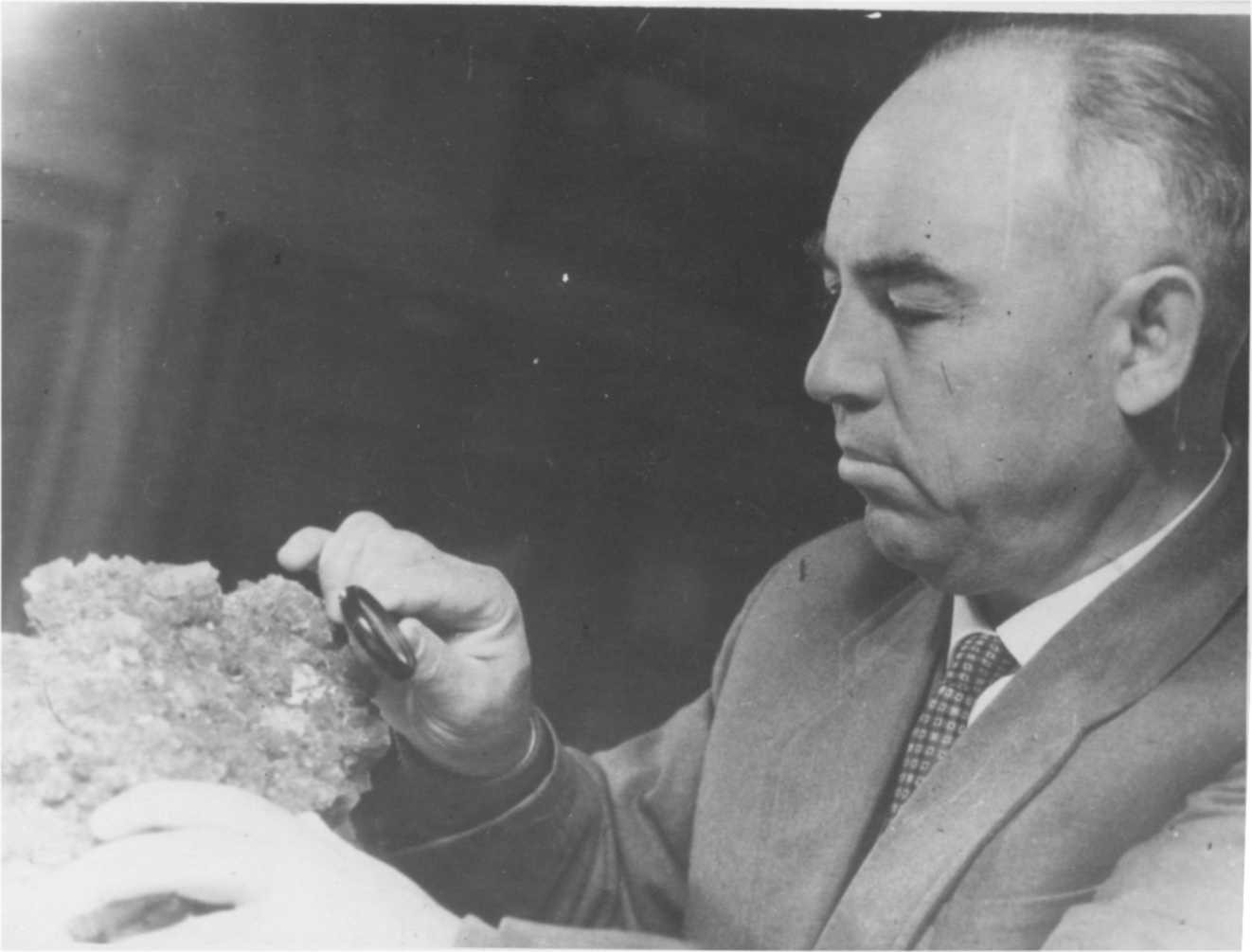
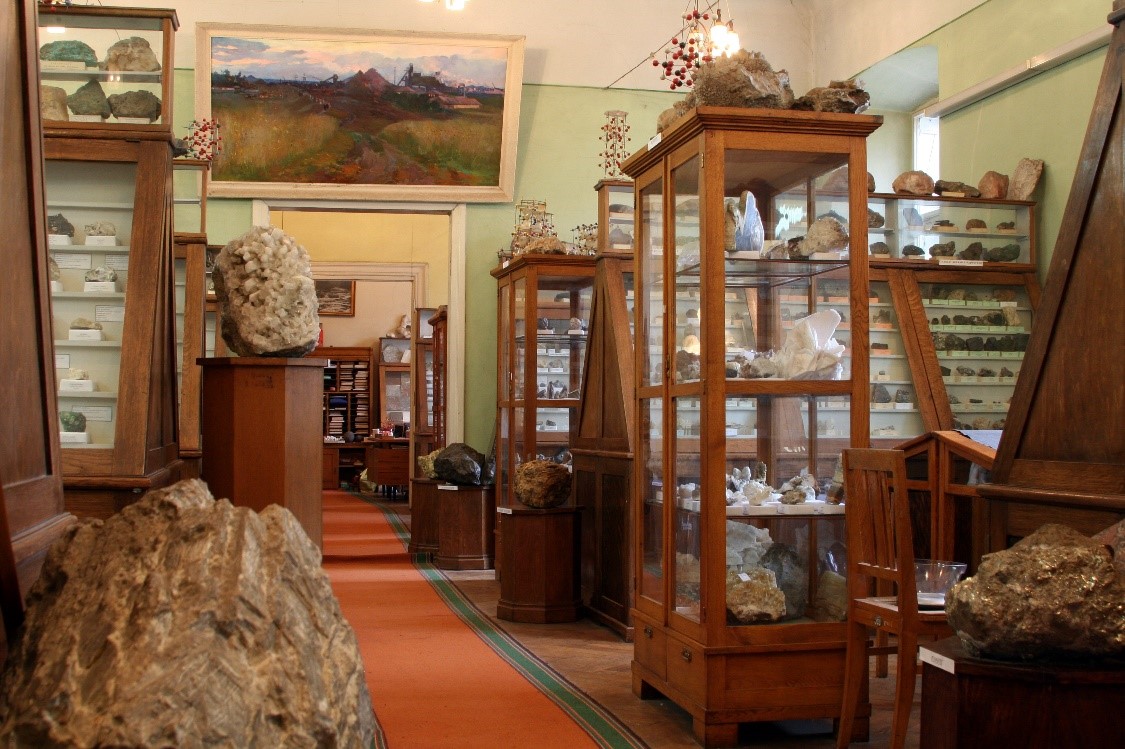
1944 – A new stage in the development of the Mineralogical Museum of Lviv University began, associated with the name of Ye. K. Lazarenko, who in that year became the head of the Department of Mineralogy, and in 1945 organized the Faculty of Geology, becoming its first dean, and later Vice-Rector (from 1949) and Rector (1951–1963) of the university.At that time, the museum occupied two rooms with a total area of 75 m², in which 3,587 mineral specimens were displayed in 26 cases, mainly from deposits of Western Europe and North America, and partly from other countries of the world. There was almost no collection of minerals from geological formations of Ukraine and other republics of the former Soviet Union. During an inspection of the accession catalogues, it was revealed that only half of the previously assembled mineral collections had remained in the museum.
Active work to replenish the collections began. In the late 1940s and early 1950s, Ye. K. Lazarenko organized a series of expeditionary and excursion trips to various regions of the former USSR (the Urals, Transbaikalia, Volyn, the Carpathians, Podillia, and others) with the participation of staff members and postgraduate students of the Department of Mineralogy, as well as students specializing in this department. During these trips, a vast and extremely diverse body of rock material was collected, which significantly enriched the museum’s collection. Ye. K. Lazarenko encouraged amateur collectors to donate interesting and rare minerals to the Mineralogical Museum. On his initiative, exchanges of mineral collections were carried out with the National Museum in Prague (Czechoslovakia), the Mineralogical Museum in Toronto (Canada), and others.
An extremely important role in enriching the Mineralogical Museum was played by personal collections of various scientists and industry professionals (H. V. Bukin, O. S. Vialov, M. P. Habinet, O. O. Hodovikov, V. A. Kaliuzhnyi, Yu. P. Doroshenko, Ye. K. Lazarenko, O. I. Matkovskyi, B. V. Merlich, V. I. Pavlyshyn, M. M. Slyvko, P. M. Chyrvynskyi, Ye. O. Yanchynskyi, A. A. Yasynska, and others), collected during field expedition work at various geological sites and in different regions, as well as during excursions for participants of international, all-Union, and republican scientific conferences.
1953 – On the occasion of the 100th anniversary, by order of the Ministry of Culture of the USSR, the museum was designated as an independent scientific unit. The position of museum director was introduced (held in different years by M. S. Korobtsova, N. Ya. Lysa, S. S. Martynova, O. M. Ushakova, M. V. Soboliev, L. O. Hryhorchuk, L. M. Volkova, B. Z. Manchur, U. I. Horniatko, I. M. Manchur, and today by A. V. Buchynska). Since that time, the Department of Mineralogy and its heads have served as the scientific and pedagogical curators of the museum.
1956 – A guidebook to the Mineralogical Museum was published, edited by M. M. Slyvko.
1971 – The Mineralogical Museum was replenished with a large number of minerals (1,264 specimens) transferred from the Department of Crystallography, which was abolished.
1979 – A substantial number of minerals (57 specimens) were donated to the museum in 1979 by the Institute of Geological Sciences of the Academy of Sciences of Kazakhstan.
1983 – For its multifaceted activities, the Mineralogical Museum of Lviv University was highly recognized at the All-Union review competition of university museums and awarded an Honorary Diploma of the Ministry of Higher and Secondary Specialized Education of the USSR. The same diploma was awarded to the museum director L. O. Hryhorchuk and the Dean of the Faculty of Geology, Chairman of the Museum Council, O. I. Matkovskyi.
1992 – The museum was named after the prominent Ukrainian mineralogist, Academician Yevhen Lazarenko, who made an invaluable contribution to its restoration in the postwar years and its further development.
1996 – The Yevhen Lazarenko Mineralogical Museum, together with the Mineralogical Museum of the Institute of Geochemistry, Mineralogy and Ore Formation of the National Academy of Sciences of Ukraine, participated in the organization and holding of the exhibition “Minerals of Ukraine” at the 15th International Mineral Exhibition-Fair in Miskolc (Hungary). The museum mainly exhibited minerals from geological formations of the Volyn–Podillia and Carpathian regions. Directly involved in the work of the exhibition-fair were Prof. O. I. Matkovskyi, Associate Professors M. M. Pavlun and Yu. I. Fedoryshyn, and Laboratory Head M. P. Horin.
2007 – The Mineralogical Museum was included in the Unified State Register under the Department of Culture and Tourism of the Regional State Administration of the system of the Ministry of Culture and Tourism of Ukraine.
2022 – The Mineralogical Museum participated in the ENGIE project (Encouraging Girls to Study Geosciences and Engineering), funded by the EU and implemented within the framework of the Horizon 2020 programme. The museum organized in Lviv a series of popular science lectures on geological topics, workshops, and geological excursions for young people.
2022 – The Yevhen Lazarenko Mineralogical Museum launched the “Mineralogical Palette” project, within which a series of events meetings at the Museum-- was developed and is held on a monthly basis.
Gallery